
Where This Starts
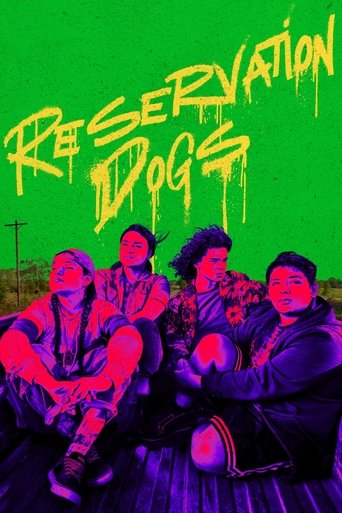
Sterlin Harjo and Taika Waititi's FX comedy about four Indigenous teenagers in rural Oklahoma trying to hustle their way to California. Bear (D'Pharaoh Woon-A-Tai), Elora (Devery Jacobs), Willie Jack (Paulina Alexis), and Cheese (Lane Factor) are grieving a friend and running small-time crimes to fund the trip. The early episodes set up the town, the crew, the rival gang across the way, and a rotating bench of aunties, uncles, cops, and spirits who wander in and out. Zahn McClarnon plays the local tribal officer. Gary Farmer shows up. That's your first-act geography.
The Argument For
Harjo directs like he actually knows the place. He does, he's Seminole-Muscogee and shot the show in Oklahoma with an all-Indigenous writers' room and director roster, and it reads on every frame. The pacing is loose in a good way, closer to Atlanta than to a network sitcom, with cold opens that drift into short films and hard cuts back to teenagers arguing about meat pies. The four leads are all first-time or near-first-time actors and none of them are performing at you. Paulina Alexis's Willie Jack alone is worth the ticket. The photography is patient, the needle drops are specific instead of Spotified, and the jokes trust you to catch them without a laugh track's worth of setup.
What It Gets Wrong
Season one's plot moves at a stroll. If you want a heist show where the heist actually goes somewhere every week, you'll get antsy. Some of the surreal detours, a Deer Lady here, a spirit-warrior there, will read as too weird for viewers who wanted a straight hangout comedy, and too soft for viewers who wanted magical realism with teeth. It's also very much a small-town show. The California dream is the engine, but the fuel is porch conversations and gas-station standoffs, and that's not everyone's tempo.
Who'll Love It, Who'll Bail
If you loved Atlanta, PEN15, or the quieter Taika Waititi stuff like Boy and Hunt for the Wilderpeople, this is your next thing. Fans of Letterkenny will recognize the rhythm of small-town nothing-happening dialogue that's secretly doing a lot. Bouncers: anyone who needs a ticking clock, anyone allergic to teen protagonists, anyone who wants their comedies to explain the joke. If your bar for "started slow" is two episodes, you'll quit before the show lands its best swing.
The Sentence
Drop everything is the right call because the craft is that good, top to bottom. Harjo's direction has a specificity you can't fake. The scripts earn every emotional beat by doing the boring work first, building the town and the family and the in-jokes, so that when a scene wants to land a punch it's already got the leverage. Nothing about it lectures. It's a show about a specific place and specific people made by people from there, and the politics of representation are absorbed into character work instead of speeches. Nobody monologues their identity. Nobody's a symbol. Willie Jack cracks a joke and it means eight things at once because you know her, not because a writer told you to feel it. That's the difference between a show with a point of view and a show reading you its thesis. Reservation Dogs has the point of view and hides the thesis inside the story, which is what good television is supposed to do.