Where This Starts
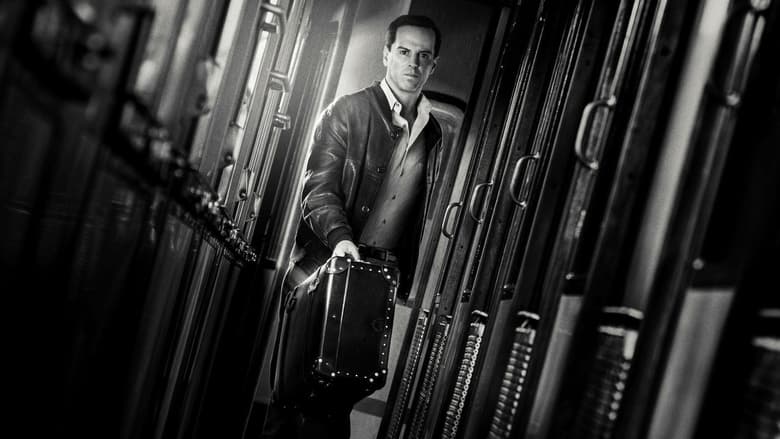
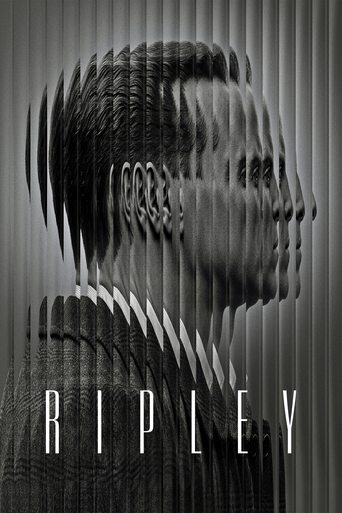
Netflix's "Ripley" is Steven Zaillian's eight-episode adaptation of Patricia Highsmith's "The Talented Mr. Ripley," and he wrote and directed every hour of it himself. Andrew Scott plays Tom Ripley, a small-time New York grifter running petty mail fraud out of a grimy walk-up in the late 1950s. A wealthy shipping magnate mistakes him for a friend of his son and hires him to sail to Italy and coax the kid, Dickie Greenleaf (Johnny Flynn), back home to New York. Dakota Fanning plays Marge, the girlfriend already installed in the coastal villa. Tom accepts the job. He does not intend to complete it.
The Argument For
Robert Elswit shot the whole thing in stark black and white, and the images are genuinely stunning: rain-slick Roman staircases, Caravaggios lit like crime scenes, a cat that keeps wandering into frame like it knows something. Zaillian directs like a man who does not care how long you're willing to sit still. A staircase becomes a fifteen-minute set piece. A concierge stares at a signature. Andrew Scott plays Tom as a hollow, watchful thing that only lights up in the presence of beautiful objects, and it's the best work he's done since "Fleabag." Fanning is quietly sharp as Marge, all polite suspicion. Flynn nails the specific insult of the rich kid who thinks he's slumming interestingly.
The Case Against
It is slow. Not "prestige slow." Slow slow. Zaillian will hold on a locked door for the amount of time it would actually take a person to fumble with keys, and if that sounds tedious to you in a review, it will be worse in your living room. The Anthony Minghella movie with Matt Damon covered the same book in a little over two hours and was warmer, sunnier, sexier. Scott's Ripley is deliberately charmless, which is a defensible read of the character and also means you're spending eight hours with someone who never once tries to win you over. If you need a protagonist to root for, this show does not have one on offer.
Who It's For, Who'll Bounce
If you loved "The American Friend," Fincher's "The Killer," or the long silent stretches of "Better Call Saul," you're home. Anyone who watches TV with a second screen going will hate this within twenty minutes, because half the storytelling is in what Scott's face isn't doing. Fans of the Minghella film expecting Jude Law energy should recalibrate. This is closer to a Patricia Highsmith novel read aloud by a mortician.
The Bottom Line
WORTH IT, not MUST WATCH, and the gap matters. The craft is enormous. Zaillian's confidence in his own tempo is the whole show, and when it works, it works like nothing else on the platform this year. When it doesn't work, you notice you've been watching a man count money for six minutes. There's no sermon here to fail the Lecture Test against; Highsmith's cold amorality is delivered through behavior, not dialogue, and nobody stops to explain what class or beauty or envy mean. The themes live in the framing. That's the good version of this. Watch it awake. Watch it hungover, per the blurb. Do not put it on to fold laundry.